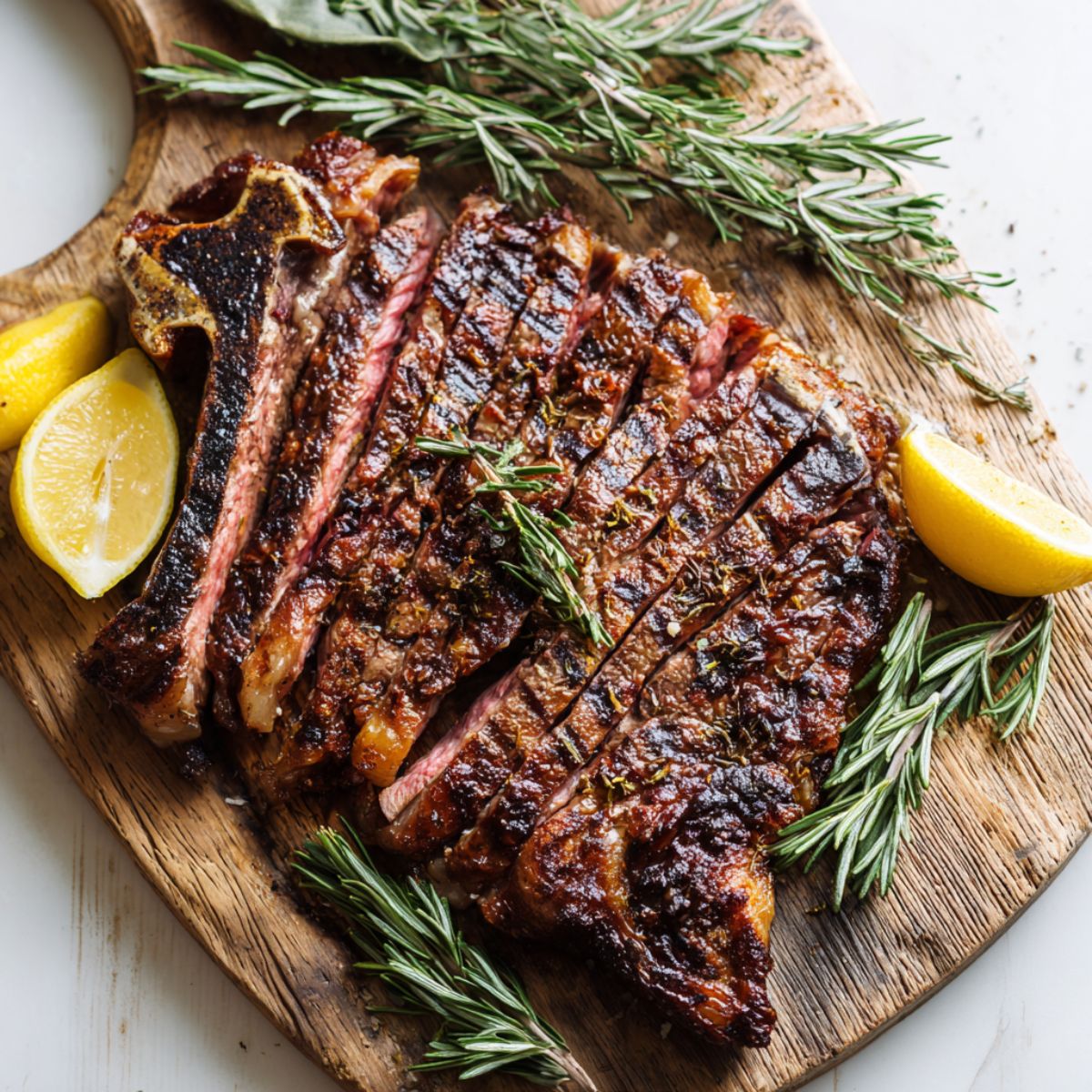
Impress Dinner Guests: Unveiling the Secrets to Tender Tuscan Steak
Imagine a dish that effortlessly marries rustic Italian charm with sophisticated culinary appeal, a meal so tender and rich in flavor it leaves a lasting impression on everyone at your table. We're talking about a perfectly cooked tuscan style steak – a culinary celebration of simplicity and quality that's ideal for a special occasion or simply elevating your everyday dining experience. Whether you're aiming to impress dinner guests or treat your family to something extraordinary, mastering the art of Tuscan steak is a rewarding endeavor that's surprisingly approachable.
At its heart, this dish is a testament to the idea that the finest flavors often come from the fewest, highest-quality ingredients. It’s a steak that demands attention not through complicated techniques, but through respect for the meat itself, accentuated by simple yet potent aromatics. Get ready to transform your kitchen into a Tuscan trattoria as we delve into the secrets behind achieving this incredibly tender and flavorful steak.
The Essence of Tuscan Style Steak: Simplicity Meets Unforgettable Flavor
When we talk about tuscan style steak, we're often referencing its esteemed cousin, Bistecca Alla Fiorentina, or Florentine Steak. This iconic dish is a hymn of praise to simplicity, where the star of the show is undeniably the meat. Traditionally, a Florentine steak uses a T-bone or porterhouse cut, chosen specifically for its bone-in structure which imparts additional flavor and promotes more even cooking. However, don't feel limited – a high-quality rib-eye or sirloin steak can also yield magnificent results, proving that deliciousness isn't always bound by convention.
The defining characteristic, regardless of the specific cut, is thickness. A true Tuscan steak must be cut generously thick – we're talking 1.5 to 2 inches. This substantial cut is crucial for achieving that coveted contrast: a beautifully crisp, deeply caramelized crust on the outside, while maintaining a succulent, medium-rare and pink interior. This balance of textures and temperatures is what elevates a simple piece of beef into a memorable culinary experience. The philosophy is clear: start with excellent ingredients, and let their natural flavors shine through with minimal intervention. For more on achieving simple grilling with big flavor, check out our guide on Bistecca Alla Fiorentina: Simple Grilling, Big Flavor.
Mastering the Marinade: Unlocking Tender Perfection
While the quality of the steak is paramount, the marinade is where the magic truly begins for our tuscan style steak. Unlike some marinades that rely on a complex blend of acids and spices, the Tuscan approach is elegantly straightforward, focusing on a trio of core ingredients that enhance the steak's natural goodness:
- Fresh Rosemary: This aromatic herb is the undisputed star of the Tuscan marinade. Its piney, slightly peppery notes infuse the meat with an earthy fragrance that is instantly transportive. Using fresh rosemary is non-negotiable here; dried simply won't deliver the same vibrant punch. Chop it finely to maximize surface contact and flavor penetration.
- Garlic: Pungent and warming, minced fresh garlic adds a foundational layer of flavor, complementing the rosemary without overpowering it. Three cloves, finely minced, are usually sufficient to impart their irresistible aroma.
- High-Quality Olive Oil: As the lifeblood of Tuscan cuisine, olive oil serves multiple purposes in the marinade. It acts as a vehicle for the fat-soluble flavors of rosemary and garlic, helps tenderize the meat slightly, and contributes its own fruity, peppery notes. Opt for a good extra virgin olive oil – its quality will genuinely make a difference to the final flavor profile.
To prepare your steaks for their flavor bath, simply combine about 3 tablespoons of olive oil with 4 tablespoons of fresh chopped rosemary (the original recipe mentioned cilantro, but based on the overall Tuscan context and rosemary being highlighted, we'll lean into rosemary as the traditional choice for Tuscan steak, as noted by Oswald Rivera), and 3 cloves of minced garlic. Place your 14-16 ounce steaks in a covered bowl or, as many chefs prefer, a zip-lock bag. This method ensures that the steaks are evenly coated and submerged in the aromatic marinade. While an hour is the minimum recommended marinating time, allowing the flavors to meld overnight in the fridge will result in an even more deeply flavored and tender steak, truly embodying the spirit of a Tuscan Style Steak: Grill to Perfection with Key Marinade.
Grilling or Pan-Frying: Achieving That Perfect Crust
The cooking method for your tuscan style steak is critical for developing its signature crisp, caramelized exterior and juicy interior. Whether you opt for the grill or the pan, the key principle remains the same: high heat is your friend. Before cooking, remember to rub each steak evenly with about ½ teaspoon of sea salt or Himalayan salt – this enhances flavor and aids in crust formation.
On the Grill: The Authentic Tuscan Experience
For the quintessential Tuscan experience, a charcoal or gas grill heated to high is ideal. The intense, direct heat is what creates that beautiful char and caramelization. Here’s how to achieve grilling perfection:
- Preheat to Scorching Hot: Ensure your grill grates are screaming hot before the steak even touches them. This is crucial for an immediate sear and prevents sticking.
- Sear and Flip: Place the marinated steaks on the hottest part of the grill. Cook for 4-6 minutes per side, flipping once, until a deep brown crust has formed. Resist the urge to move them around too much, as this interrupts the searing process.
- Achieving Desired Doneness: For a perfect medium-rare (which is traditional for Tuscan steak), continue cooking for another 4-6 minutes after flipping. Use a meat thermometer inserted into the thickest part of the steak for accuracy; aim for 130-135°F for medium-rare. If the exterior starts to burn before the internal temperature is reached, move the steaks to a cooler part of the grill to finish cooking indirectly.
- The All-Important Rest: Once cooked to your desired doneness, remove the steaks from the grill and let them rest for at least 5-10 minutes before slicing. This allows the juices to redistribute throughout the meat, ensuring every bite is incredibly tender and moist. Skipping this step is a common mistake that can result in a dry steak.
Pan-Frying: A Delicious Alternative
Don't let a rainy day spoil your Tuscan steak plans! Pan-frying offers a fantastic alternative, yielding results that are just as flavorful and equally impressive. Use a heavy-bottomed skillet, such as cast iron, and heat it over medium-high heat until it's very hot. Add a tablespoon of high-smoke-point oil (like grapeseed or avocado) or a pat of butter, then follow similar searing and cooking times as you would for grilling. The intense heat of the pan will create a beautiful crust, and you can even baste the steaks with butter, garlic, and extra rosemary during the last few minutes of cooking for an added layer of flavor. Remember to rest them, just as you would off the grill.
The Perfect Accompaniments and Serving Suggestions
A true tuscan style steak is a dish that thrives on straightforward, complementary pairings that allow its robust flavor to remain center stage. Keeping with the Tuscan philosophy of simplicity, the ideal accompaniments are unfussy yet satisfying.
- Crispy Fried Potatoes: A classic choice, golden-brown fried potatoes provide a delightful textural contrast and a comforting starch to soak up any delicious juices from the steak.
- A Simple Green Salad: A fresh, lightly dressed green salad with a vinaigrette made from good olive oil and red wine vinegar offers a refreshing counterpoint to the richness of the meat. Keep it light, letting the greens cleanse the palate.
- Lemon Wedges: Serving the steak with fresh lemon wedges allows guests to add a bright, acidic squeeze if desired, which can cut through the richness and enhance the flavors.
- A Robust Red Wine: To complete the experience, pair your Tuscan steak with a full-bodied red wine from the region, such as a Chianti Classico or a Brunello di Montalcino. Their earthy notes and firm tannins perfectly complement the rich beef.
Slice the rested steak against the grain into thick, succulent pieces, arrange them artfully on a platter, and serve immediately with your chosen sides. The presentation, like the recipe itself, is elegant in its simplicity.
Conclusion
Creating a magnificent tuscan style steak is a testament to the power of quality ingredients and thoughtful, unpretentious cooking. From the careful selection of a thick, flavorful cut to the aromatic infusion of rosemary, garlic, and olive oil, and finally, to the precise cooking that yields a perfectly caramelized exterior and a tender, juicy interior, every step contributes to an unforgettable culinary experience. This isn't just a meal; it's an invitation to savor the rich flavors of Italy in the comfort of your own home. So go ahead, embrace these secrets, and prepare to impress your dinner guests with a steak that speaks volumes of flavor and passion.
