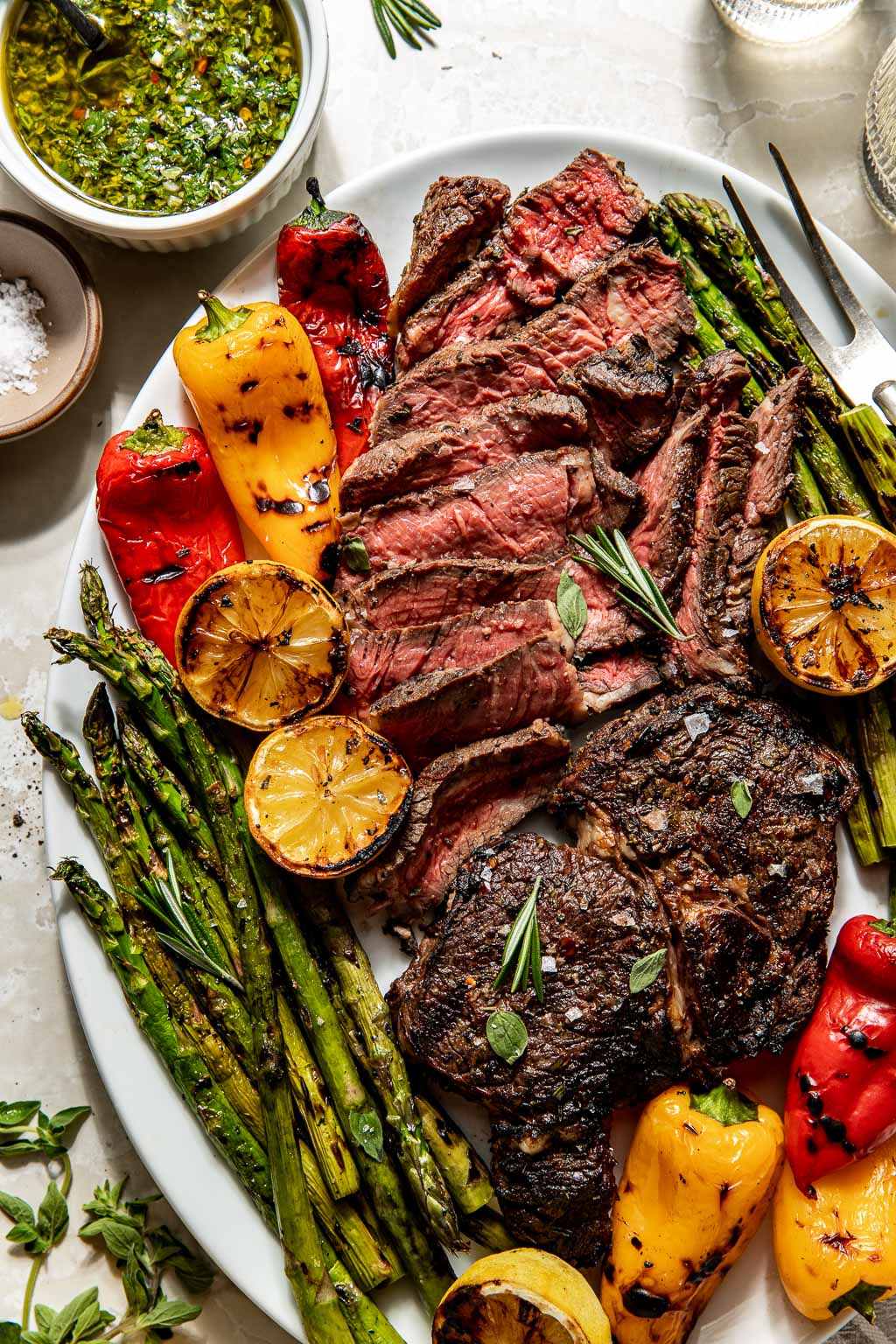
Mastering Tuscan Style Steak: Grill to Perfection with Key Marinade
Imagine the sun-drenched hills of Tuscany, the aroma of herbs mingling with the scent of grilling meat. This isn't just a fantasy; it's the inspiration behind a culinary marvel you can create in your own backyard: the Tuscan Style Steak. More than just a meal, it's a celebration of simplicity, quality ingredients, and the art of grilling. Known for its incredible tenderness and rich, savory flavor, a perfectly prepared Tuscan style steak is an ideal dish to elevate a family gathering or to impress dinner guests with minimal fuss but maximum impact.
At its heart, this beloved dish, often referred to as Bistecca Alla Fiorentina, champions the natural goodness of high-quality beef, enhanced by a remarkably simple yet potent marinade and expertly grilled over high heat. The result is a steak that boasts a beautifully crisp, caramelized crust and a succulent, pink medium-rare interior. Forget complicated sauces or intricate preparations; the magic lies in understanding a few key principles that transform a humble cut of meat into an unforgettable gastronomic experience.
The Essence of Tuscan Style Steak: Cuts, Thickness, and Simplicity
The foundation of any great Tuscan style steak begins with the right cut of meat. Traditionally, Bistecca Alla Fiorentina calls for a T-bone or porterhouse steak – bone-in cuts that impart a deeper, more complex flavor during cooking. The bone acts as a natural insulator, helping the meat cook more evenly and stay juicier.
However, the beauty of this style lies in its adaptability. While T-bone and porterhouse are exceptional choices, you don't need to break the bank. Excellent results can also be achieved with high-quality rib-eye, sirloin, strip steak, or even Delmonico. For those on a tighter budget, a good chuck steak, when properly prepared, can also be transformed into a flavorful dish. The key is always to choose the best quality meat your budget allows.
Beyond the cut, the thickness of the steak is paramount. Ben Tish, a renowned chef, emphasizes that the steak must be cut thick. We're talking at least 1.5 to 2 inches, and ideally even thicker for a true Florentine experience. Why so thick? This substantial cut allows for that perfect dichotomy: a wonderfully crisp and caramelised exterior, developed from searing heat, while ensuring the interior remains beautifully pink and medium-rare, bursting with natural juices. A thin steak simply won't achieve this signature contrast.
This commitment to quality and specific preparation highlights the "culinary hymn of praise to simplicity" that defines Tuscan cooking. It's about letting premium ingredients shine, rather than masking them with an abundance of flavors.
The Heart of the Flavor: Mastering the Signature Marinade
While the quality of the meat is non-negotiable, the soul of a truly exceptional Tuscan style steak lies in its simple yet profoundly effective marinade. This isn't about overpowering the meat; it's about enhancing its natural flavor profile with fresh, aromatic ingredients that evoke the Italian countryside.
Key Marinade Ingredients:
- High-Quality Olive Oil: The base of our marinade, extra virgin olive oil not only tenderizes the meat subtly but also acts as a carrier for the other flavors, helping them penetrate the steak. It also aids in achieving that beautiful sear on the grill.
- Fresh Garlic: Minced garlic adds a pungent, savory depth that is quintessential to Mediterranean cuisine. Its robust flavor pairs perfectly with beef.
- Fresh Rosemary: This is arguably the defining herb for Tuscan-style steak. Its piney, slightly peppery aroma is unmistakable and elevates the entire dish. While some recipes might mention other herbs, fresh chopped rosemary is the traditional and most impactful choice for this specific style. It infuses the meat with an earthy, aromatic essence that's simply divine.
- Sea Salt (or Himalayan Salt): While some recipes suggest salting just before grilling, incorporating a portion of the salt into the marinade, especially if marinating overnight, can help draw moisture out and then re-absorb it with flavor, leading to a more tender and seasoned result.
The power of this marinade comes from its fresh components. Forget dried herbs; fresh rosemary and garlic release their oils and aromas much more effectively, imbuing the steak with a vibrant, herbaceous character. Oswald Rivera, a proponent of this style, specifically highlights the uniqueness of fresh rosemary in his preferred marinade technique.
Marinating for Maximum Flavor:
For best results, aim to marinate your steaks overnight in the refrigerator. This extended period allows the flavors to truly meld and penetrate the thick cuts of meat. If time is a constraint, a minimum of one hour will still make a noticeable difference. You can marinate the steaks in a covered bowl, but a zip-lock bag is often more convenient, allowing for easy turning to ensure every surface of the steak is evenly coated in the aromatic mixture.
Chef's Insight: For an extra layer of brightness, consider adding a teaspoon of fresh lemon zest to your marinade. The citrus notes will provide a subtle counterpoint to the richness of the beef and rosemary.
Grilling to Perfection: Techniques for That Signature Crust and Juiciness
The final, crucial step in achieving a flawless Tuscan style steak is the grilling process. This is where the magic of the Maillard reaction takes place, creating that coveted crispy, caramelized exterior while preserving the juicy tenderness within.
Pre-Grill Preparation:
- Bring to Room Temperature: Before grilling, take your marinated steaks out of the refrigerator and let them come to room temperature for about 30-60 minutes. This promotes more even cooking.
- Pat Dry (Optional, but Recommended): While the marinade adds flavor, a slightly drier surface before hitting the grill can help achieve a better crust. You can gently pat the steaks dry with paper towels if desired, knowing the flavor has already penetrated.
- Salt Liberally: Just before grilling, rub your steaks evenly with sea salt. The salt enhances flavor and helps create that desirable crust.
The Grilling Process:
Whether you're using a charcoal grill for smoky complexity or a gas grill for convenience, the most critical factor is heat. You need a very hot grill. This intense heat is what quickly sears the outside of the thick-cut steak, locking in juices and developing that mouth-watering crust.
- High Heat Sear: Place the steaks on the hottest part of the grill. Grill for 4-6 minutes per side, flipping only once. This initial high-heat sear is essential for the crust.
- Monitor and Move: If the outside starts to char or burn before the desired doneness, move the steaks to a slightly cooler part of the grill to finish cooking. Most grills have zones of varying heat, which is useful for managing the cooking process of thick cuts.
- Check for Doneness: For the authentic medium-rare interior of a Tuscan style steak, you're looking for an internal temperature of around 130-135°F (54-57°C). A reliable meat thermometer is your best friend here. Cook for an additional 4-6 minutes after the initial sear, or until your desired doneness is reached.
The Indispensable Rest:
Once your steaks are cooked, resist the urge to cut into them immediately. This is perhaps the most overlooked yet vital step. Transfer the grilled steaks to a cutting board and let them rest for at least 5 minutes, preferably 10-15 minutes for very thick cuts. During this resting period, the muscle fibers relax, allowing the juices that have migrated to the center of the steak during cooking to redistribute throughout the entire cut. The result is a uniformly juicy, tender steak that won't bleed all its deliciousness onto your plate when sliced.
Rainy Day Alternative: If the weather spoils your barbecue plans, don't despair! A cast-iron skillet preheated to very high heat on your stovetop can achieve a remarkably similar crust and flavor. Just ensure good ventilation!
Serving Suggestions and Beyond
The beauty of the Tuscan style steak lies in its robust flavor, which means it requires simple, complementary accompaniments rather than competition. The classic pairings are often the best:
- Fried Potatoes: Crispy fried potatoes are an ideal partner, offering a comforting contrast in texture.
- Fresh Salad: A simple, vibrant green salad dressed with a light vinaigrette provides a refreshing counterpoint to the richness of the meat.
- Lemon Wedges: A squeeze of fresh lemon juice over the finished steak adds a burst of acidity that brightens the flavors and cuts through the richness beautifully. Don't skip this!
- High-Quality Olive Oil: A final drizzle of your best extra virgin olive oil just before serving can add another layer of peppery, fruity notes.
- Wine Pairing: To truly embrace the Tuscan experience, pair your steak with a robust Italian red wine. A Chianti Classico, Brunello di Montalcino, or a Super Tuscan will complement the dish perfectly.
Whether you're celebrating a special occasion or simply treating your family to a restaurant-quality meal at home, the Tuscan style steak is a dish that never fails to impress. Its elegance lies in its straightforwardness, proving that sometimes, the most extraordinary flavors come from the most unpretentious preparations.
Conclusion
Crafting a perfect Tuscan style steak is a rewarding culinary journey that emphasizes quality, simplicity, and expert technique. From selecting a thick, prime cut of beef to infusing it with an aromatic rosemary and garlic marinade, and finally, grilling it to that ideal crisp exterior and tender, medium-rare interior, every step contributes to an unforgettable dining experience. Remember the crucial resting period to preserve its succulence, and serve it with classic accompaniments and a squeeze of lemon to complete the authentic Tuscan experience. This isn't just a recipe; it's an invitation to savor the pure, unadulterated pleasure of exceptional food.
